NEWS
South Asia Map: Countries, Geography, and Cultural Diversity

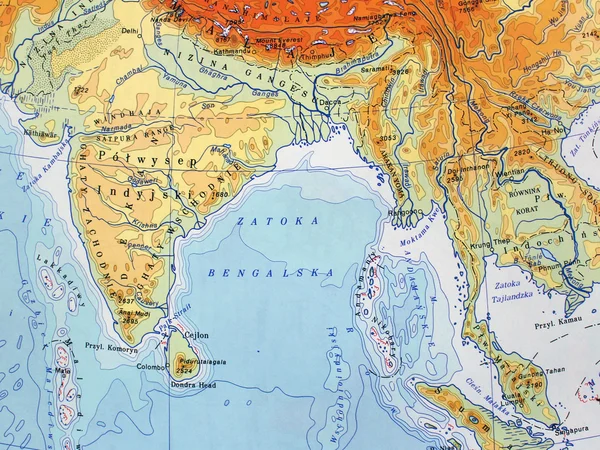
South Asia is one of the most diverse and historically rich regions in the world. Located in the southern part of Asia, it consists of several countries with distinct cultures, languages, and landscapes. A South Asia map helps us understand the geographical, political, and cultural aspects of the region. In this article, we will explore the South Asia map in detail, including the countries, geography, and the unique aspects that make this region fascinating.
Countries in South Asia
The South Asia map typically includes the following countries:
- India – The largest and most populous country in South Asia, known for its diverse culture, heritage, and economic power.
- Pakistan – Located to the northwest of India, Pakistan has a rich historical background and diverse landscapes.
- Bangladesh – A densely populated country known for its rivers, agriculture, and vibrant culture.
- Sri Lanka – An island nation famous for its ancient temples, tea plantations, and beautiful beaches.
- Nepal – Home to the majestic Himalayas and Mount Everest, Nepal is known for its Buddhist and Hindu heritage.
- Bhutan – A small but unique country with a strong emphasis on Gross National Happiness and environmental sustainability.
- Maldives – A tropical paradise in the Indian Ocean, known for its coral reefs and luxury tourism.
- Afghanistan (sometimes included in the South Asia map) – A country with a rich but tumultuous history, located at the crossroads of Central and South Asia.
Geography of South Asia
South Asia is bordered by several significant geographical features:
- Himalayas – These towering mountains in the north separate South Asia from China and Central Asia.
- Indian Ocean – The southern boundary of South Asia, offering crucial trade routes.
- Thar Desert – Found in India and Pakistan, this arid region is home to unique wildlife and culture.
- Indus and Ganges Rivers – Lifelines of South Asia, supporting agriculture and civilizations for thousands of years.
- Western and Eastern Ghats – Mountain ranges in southern India that influence the climate and biodiversity.
Cultural Diversity in South Asia
South Asia is one of the most culturally diverse regions in the world, with a mix of religions, languages, traditions, and festivals.
Religions in South Asia
South Asia is home to major world religions, including:
- Hinduism – Predominantly followed in India and Nepal.
- Islam – The main religion in Pakistan, Bangladesh, and Afghanistan.
- Buddhism – Originating in India, it is widely practiced in Sri Lanka, Bhutan, and Nepal.
- Christianity, Sikhism, and Jainism – These religions also have significant followers in the region.
Languages of South Asia
With thousands of languages spoken, some of the major languages include:
- Hindi and Urdu – Widely spoken in India and Pakistan.
- Bengali – The main language of Bangladesh and parts of India.
- Tamil – A classical language spoken in Sri Lanka and South India.
- Nepali and Dzongkha – National languages of Nepal and Bhutan, respectively.
Festivals in South Asia
Some of the most famous festivals celebrated in South Asia include:
- Diwali – The festival of lights, celebrated in India and Nepal.
- Eid – A significant Islamic festival observed in Pakistan, Bangladesh, and beyond.
- Holi – A vibrant festival of colors, mainly in India and Nepal.
- Vesak – A Buddhist festival in Sri Lanka and Bhutan.
Political and Economic Importance of South Asia
South Asia is an important region politically and economically, with emerging economies and strategic locations.
Political Aspects
- India is the largest democracy in the world.
- Pakistan and India share a complex relationship, often marked by geopolitical tensions.
- Bangladesh has shown rapid economic growth in recent years.
- Bhutan and Nepal have strong ties with India and China.
Economic Growth
- India and Bangladesh have rapidly growing economies, with IT, textiles, and manufacturing as key sectors.
- Pakistan is an important player in trade and infrastructure projects.
- Sri Lanka and the Maldives rely heavily on tourism.
- Afghanistan’s economy has been affected by conflicts but has potential due to its natural resources.
Conclusion
A South Asia map provides an insightful view into one of the most dynamic regions in the world. From towering mountains to bustling cities, from ancient traditions to modern economies, South Asia is a region of contrasts and opportunities. Whether you are a student, traveler, or researcher, understanding South Asia through its map helps to appreciate its rich cultural and geographical diversity.


When it comes to media in Guyana, one of the most recognized and influential names is the Guyana Chronicle. Known as the country’s state-owned daily newspaper, it has a rich history of informing, educating, and entertaining the Guyanese public. Beyond just being a news outlet, it reflects the nation’s culture, politics, and progress. This article will provide a complete overview of the Guyana Chronicle, its history, role, and impact on modern journalism in Guyana.
Introduction to the Guyana Chronicle
The Guyana Chronicle is one of the oldest newspapers in Guyana and remains a cornerstone of journalism in the country. Established as a government-owned publication, it has witnessed decades of political, social, and economic change.
From covering national elections to highlighting cultural events and international relations, the newspaper provides citizens with valuable insights into the state of the nation.
Unlike other private media outlets, the Guyana Chronicle often serves as the official voice of the government. Its content typically reflects national policies, official statements, and government-led initiatives while also covering general news, sports, and entertainment.
History of the Guyana Chronicle
Early Beginnings
The roots of the date back to the colonial era when newspapers first began circulating in British Guiana (now Guyana). Over time, the Chronicle became a central platform for government communication and public discourse.
Transition After Independence
Following Guyana’s independence in 1966, the newspaper took on a new role in shaping the voice of a newly sovereign nation. It reported extensively on the country’s economic development, foreign relations, and domestic policies.
Modern Development
In the digital era, the Guyana Chronicle has transitioned from traditional print to an online presence, making news accessible to Guyanese citizens both at home and in the diaspora. Its website allows readers worldwide to stay connected to the nation’s pulse.
Role of the Guyana Chronicle in Guyana’s Media Landscape
The Guyana Chronicle holds a unique position compared to private news outlets. While many independent newspapers and broadcasters exist, the Chronicle is widely considered the official voice of the state.
Informing the Public
It provides daily updates on government policies, economic projects, health initiatives, and infrastructure developments.
Promoting National Identity
Through features on culture, arts, and heritage, the Chronicle reinforces Guyana’s national identity and showcases local talent.
Shaping Public Opinion
Given its close ties to the government, the often sets the tone for national discussions on politics, development, and international relations.
Key Features of the Guyana Chronicle
1. Political News
The Chronicle provides in-depth coverage of government activities, legislative updates, and political debates. It is often the first to report on presidential speeches, parliamentary proceedings, and official government statements.
2. Community Stories
Local community stories highlight the lives, struggles, and achievements of everyday Guyanese. From agriculture to education, these reports celebrate resilience and growth.
3. Sports Coverage
Guyana is passionate about cricket, football, and athletics. The regularly covers national sports, international competitions, and profiles of athletes representing the nation.
4. International News
To keep Guyanese connected to the world, the newspaper also publishes updates on international events, global economics, and regional CARICOM news.
5. Digital Access
The online edition ensures the diaspora can follow Guyanese news in real-time, bridging the gap between the homeland and overseas communities.
The Digital Transformation of the Guyana Chronicle
With the internet reshaping media consumption, the has embraced digital transformation.
- Website Accessibility: The official site offers updated news articles, archives, and opinion pieces.
- Social Media Presence: The Chronicle maintains a presence on platforms like Facebook and Twitter, engaging younger audiences.
- Mobile-Friendly Access: With many Guyanese accessing news via smartphones, the online version is optimized for mobile browsing.
This digital shift ensures that even in remote areas, citizens can stay updated if they have internet access.
Guyana Chronicle vs. Other Newspapers
Guyana has several private newspapers, including Stabroek News and Kaieteur News. However, the stands out due to its state-owned status.
- Credibility: Seen as the government’s official communication channel.
- Reach: Widely distributed across the nation.
- Balance: While private papers often criticize policies, the Chronicle highlights government achievements.
This contrast gives readers the option to balance their perspectives by reading multiple sources.
Impact of the Guyana Chronicle on Society
Political Influence
Because it amplifies government policies, the Guyana Chronicle influences how citizens perceive leadership and governance.
Educational Role
Schools and universities often use Chronicle articles as reference material for civic studies and history.
Cultural Promotion
By publishing local art, literature, and cultural pieces, the newspaper contributes to national pride.
Challenges Faced by the Guyana Chronicle
Like any media house, the Chronicle faces challenges:
- Criticism of Bias: Since it is government-owned, critics argue it lacks independence.
- Competition: Private outlets and social media offer alternative voices.
- Funding: Maintaining print operations in the digital age requires resources.
Despite these issues, it continues to remain relevant due to its historic legacy and official backing.
Future of the Guyana Chronicle
As technology advances, the Chronicle is likely to:
- Expand multimedia content such as podcasts and video reports.
- Strengthen engagement with younger audiences via interactive platforms.
- Continue being a record-keeper of Guyana’s national progress.
FAQs About the Guyana Chronicle
1. What is the Guyana Chronicle?
The is the state-owned daily newspaper of Guyana that covers national, political, cultural, and international news.
2. How old is the Guyana Chronicle?
Its roots trace back to the colonial era, making it one of the oldest surviving newspapers in Guyana.
3. Is the Guyana Chronicle available online?
Yes, the newspaper has a digital edition accessible worldwide.
4. Why is the Guyana Chronicle important?
It serves as the official communication platform for the government and helps shape public opinion.
5. How does it compare to private newspapers?
While private outlets are often critical, the Chronicle generally reflects the government’s perspective, offering readers an alternative viewpoint.
Conclusion
The Guyana Chronicle is more than just a newspaper—it is a historic and cultural institution in Guyana. From its early colonial beginnings to its modern digital presence, it has played an essential role in informing citizens, promoting national identity, and recording the nation’s journey. Despite facing challenges of bias and competition, it continues to hold influence in Guyana’s media landscape.
For Guyanese citizens and those in the diaspora, the remains a trusted source of news and a symbol of national storytelling.

When it comes to American politics, few figures have been as outspoken, passionate, and influential as Senator Bernie Sanders. Known for his progressive views and consistent fight for working-class Americans, Sanders has built a reputation as a political icon. But alongside his political career, one question often surfaces: much is Bernie Sanders worth Forbes?
This article provides a detailed breakdown of Bernie Sanders’ net worth, how he earns and manages his money, what Forbes and other outlets have reported, and why his financial profile matters in the broader political landscape. By exploring his assets, income sources, and comparisons with other politicians, you’ll get a full understanding of Sanders’ financial life.
Bernie Sanders: A Quick Background
Before diving into the specifics of his net worth, it’s essential to understand who Bernie Sanders is and why his financial standing garners attention.
- Full Name: Bernard Sanders
- Born: September 8, 1941, in Brooklyn, New York
- Political Role: U.S. Senator from Vermont since 2007
- Political Identity: Independent, closely associated with progressive and Democratic Socialist ideals
Bernie’s career spans decades, with roles as the mayor of Burlington, a U.S. Representative, and eventually a long-serving senator. His campaigns for the Democratic presidential nomination in 2016 and 2020 further amplified his national profile.
Much Is Bernie Sanders Worth Forbes: The Reported Figures
When people search much is Bernie Sanders worth Forbes, they are usually looking for estimates published by trusted financial outlets. According to recent evaluations, Bernie Sanders’ net worth is estimated to be between $2 million and $3 million.
What Forbes Reports
Forbes and other financial publications estimate his net worth based on:
- Senate financial disclosure reports
- Real estate holdings
- Royalties from books
- Retirement accounts and savings
Unlike billionaires often featured in Forbes, Sanders’ wealth is relatively modest compared to many of his political peers. Still, it is noteworthy, given his lifelong emphasis on economic equality and critique of excessive wealth.
Income Sources of Bernie Sanders
1. Senate Salary
As a U.S. Senator, Sanders earns an annual salary of about $174,000. This constitutes a consistent and reliable income stream that has supported his decades in public service.
2. Book Royalties
One of the most significant boosts to Bernie’s net worth came from his writing career. His books, such as Our Revolution and Where We Go from Here, became bestsellers and brought him millions in royalties. For example, between 2016 and 2017, his book deals earned him over $1 million.
3. Real Estate Holdings
Sanders and his wife, Jane, own multiple properties, including a home in Burlington, Vermont, and another in Washington, D.C. These properties account for a significant portion of his reported wealth.
4. Retirement and Investments
Like most politicians, Sanders also benefits from retirement savings accounts and modest investment holdings, though his filings suggest he does not heavily engage in complex financial portfolios.
Comparing Bernie Sanders’ Wealth to Other Politicians
Middle of the Pack
While Sanders is a millionaire, his net worth is modest compared to some other U.S. lawmakers. For instance, senators like Mitt Romney and Mark Warner have fortunes in the hundreds of millions.
Consistency with His Image
Sanders’ financial situation aligns with his image as a politician focused on the working class. His net worth puts him comfortably above average Americans but far below the ultra-wealthy politicians he often critiques.
Criticism and Controversies Around His Wealth
Given Sanders’ strong stance against income inequality, his millionaire status has drawn criticism from opponents. Some argue that being a millionaire undermines his progressive message.
However, Sanders counters that his wealth came largely from book sales, reflecting support for his ideas rather than exploitation of corporate interests. In fact, he often emphasizes that being a millionaire does not contradict his advocacy for fair wages, healthcare access, and wealth taxation.
Why People Search “Much Is Bernie Sanders Worth Forbes”
The popularity of the query much is Bernie Sanders worth Forbes reflects curiosity about whether Sanders practices what he preaches. Supporters and critics alike are interested in understanding whether his personal financial situation aligns with his public values.
Additionally, net worth comparisons are a common way to evaluate politicians’ lifestyles, privileges, and relatability to everyday citizens.
Bernie Sanders’ Lifestyle
Despite being a millionaire, Sanders is known for his modest lifestyle. He does not flaunt luxury cars, lavish mansions, or extravagant vacations. Instead, he maintains a relatively simple public persona, which aligns with his advocacy for economic fairness.
The Bigger Picture: Wealth and Politics
Bernie Sanders’ net worth is more than just a number. It highlights broader issues:
- Public Trust: Voters want to know whether their leaders are influenced by wealth or remain committed to public service.
- Systemic Inequality: Sanders’ rise to millionaire status underscores how even those critical of capitalism can accumulate wealth through intellectual and cultural influence.
- Transparency: His willingness to disclose financial details builds trust among supporters.
FAQs About Bernie Sanders’ Net Worth
How much is Bernie Sanders worth according to Forbes?
According to Forbes and similar outlets, Sanders’ net worth is estimated at $2 to $3 million.
How did Bernie Sanders make his money?
Most of his wealth comes from his Senate salary and bestselling books. Real estate and retirement savings also contribute.
Is Bernie Sanders a millionaire?
Yes, Sanders is a millionaire, largely due to book royalties earned during and after his presidential campaigns.
Does Bernie Sanders’ wealth contradict his political message?
Sanders argues it does not. He believes wealth should be fairly taxed and used to reduce inequality, regardless of personal earnings.
Why do people ask “much is Bernie Sanders worth Forbes”?
Because Forbes is a trusted financial authority, people look to it for accurate estimates of Sanders’ wealth.
Conclusion
So, much is Bernie Sanders worth Forbes The answer is that Bernie Sanders is worth approximately $2 to $3 million, according to financial disclosures and reputable sources. His wealth comes from a long political career, bestselling books, and real estate holdings.
While critics may point to contradictions between his wealth and his political stance, Sanders insists that personal financial success does not negate his commitment to fighting inequality. His case exemplifies how politicians can be financially secure while still advocating for systemic reforms.
In the end, Bernie Sanders’ financial story is less about luxury and more about how public service, intellectual influence, and writing can build modest but significant wealth.
In today’s fast-paced world, information travels at lightning speed. Whether you’re interested in politics, business, entertainment, or local stories, having a reliable source of updates is essential. That’s where breaking AC news comes in—bringing you the latest headlines as they unfold. This guide explores what makes breaking news important, how to follow it effectively, and why platforms that deliver timely information are more valuable than ever.
What is Breaking AC News?
The term breaking AC news refers to timely updates and stories that demand immediate attention. These reports are often released as soon as events occur, giving readers and viewers real-time insights. Unlike traditional reporting, which may take time to compile, breaking news emphasizes speed and accuracy.
For instance, if a major weather alert, political shift, or celebrity announcement happens, breaking news ensures you’re among the first to know. AC, in this context, often refers to Atlantic City or other regional news coverage, though it can also apply more broadly depending on the platform.
Why Breaking News Matters Today
Instant Awareness
We live in an era where every second counts. Breaking news keeps individuals, businesses, and communities aware of events that can affect their daily lives. From natural disasters to economic changes, instant access helps people respond effectively.
Building Trust in Media
Reliable breaking AC news sources establish trust by providing verified information quickly. In times of crisis or confusion, trustworthy news helps calm uncertainty and provides clear direction.
Connecting Communities
News doesn’t just inform—it connects. When people share updates, discuss developments, and respond collectively, it strengthens community bonds both locally and globally.
The Evolution of Breaking News
From Print to Digital
Historically, breaking news was delivered through newspapers and radio broadcasts. These were effective but limited in speed. Today, digital platforms and mobile apps allow stories to be shared instantly.
Social Media’s Role
Twitter, Facebook, and Instagram have become crucial for breaking AC news. Many journalists and outlets use these platforms to share headlines as they happen, often with live video or photos.
24/7 News Cycles
With technology advancing, breaking news is no longer restricted to specific time slots. Modern consumers expect updates at any hour, and media outlets have adapted with round-the-clock reporting.
How to Stay Updated with Breaking AC News
1. Follow Trusted Outlets
Look for established platforms that are known for accuracy. Avoid relying on unverified sources, which may spread misinformation.
2. Use Mobile Apps
Download apps from major networks or local outlets. Push notifications ensure you never miss urgent updates.
3. Subscribe to Newsletters
Email newsletters summarize the top breaking stories, making it easier to catch up even during a busy day.
4. Engage Responsibly on Social Media
While social media is fast, double-check information before sharing. Misinformation spreads quickly, and being a responsible consumer helps maintain credibility online.
Breaking AC News vs. Traditional News
| Feature | Breaking AC News | Traditional News |
|---|---|---|
| Speed | Instant | Slower |
| Format | Digital, push alerts, live updates | Print, TV, radio |
| Depth of Coverage | Brief, evolving with time | Detailed, comprehensive |
| Accessibility | 24/7, mobile-friendly | Scheduled |
Breaking news offers immediacy, while traditional news often provides depth and analysis. Both are essential, but breaking news ensures you remain informed right when things happen.
The Challenges of Breaking News
While breaking AC news is essential, it comes with challenges:
Accuracy vs. Speed
Journalists must balance the need to report quickly with the responsibility of providing accurate facts.
Information Overload
With constant alerts, readers may feel overwhelmed. Managing notifications and focusing on relevant stories is key.
Trust Issues
In an age of misinformation, discerning credible sources is more important than ever.
Tips for Consuming Breaking AC News Responsibly
- Verify Before Sharing – Always cross-check headlines with multiple trusted outlets.
- Stay Calm During Crises – Don’t panic based on early reports; wait for official confirmations.
- Set Boundaries – Limit notifications to avoid stress while staying informed.
Future of Breaking News
The future of breaking AC news looks increasingly digital and personalized. With AI-driven algorithms, readers can receive tailored updates relevant to their interests. Virtual and augmented reality may also play roles, allowing immersive experiences in live reporting.
Additionally, greater emphasis will be placed on combating misinformation, ensuring that breaking news maintains accuracy while evolving with technology.
FAQs About Breaking AC News
What does “breaking AC news” mean?
It refers to urgent, real-time news updates, often covering Atlantic City or regional events, though it can also apply broadly to breaking headlines worldwide.
Why is breaking news important?
It provides immediate awareness, helps people make quick decisions, and builds trust between media outlets and audiences.
How can I access breaking AC news quickly?
You can follow trusted news websites, download mobile apps with push alerts, or subscribe to newsletters.
Is breaking news always accurate?
Not always. Early reports may lack details. That’s why it’s crucial to follow credible outlets that update stories as more information becomes available.
Can breaking news affect businesses?
Yes, major events such as financial shifts, political changes, or natural disasters can significantly impact business decisions and operations.
Conclusion
In a world where information is power, breaking AC news stands as a vital source of real-time updates. Whether you’re following local events in Atlantic City or global developments, breaking news ensures you stay aware and prepared. By choosing reliable sources, managing your news intake responsibly, and staying open to technological innovations, you can make the most of this essential resource.
Breaking news is more than just headlines—it’s a lifeline that connects communities, builds trust, and shapes how we understand the world.

Slot Gacor –login(dower88) – Panduan Aman dan Edukatif

Judi Slot Gbowin.com – Panduan Lengkap, Risiko & Hiburan Aman

Valentine Rocky Adlon: Life, Family, and Journey of a Private Star

Baby Alien Fan Bus Everything You Need to Know About the Viral Sensation

SFM Compile A Complete Guide to Source Filmmaker Compilation

What Are TGTubes Everything You Need to Know About This Emerging Trend”
-
 CELEBRITY1 year ago
Baby Alien Fan Bus Everything You Need to Know About the Viral Sensation
-
 Game12 months ago
SFM Compile A Complete Guide to Source Filmmaker Compilation
-
 Game11 months ago
What Are TGTubes Everything You Need to Know About This Emerging Trend”
-

 LATEST5 months ago
make1m.com luxury Exploring the Future of Wealth Lifestyle and Digital Prestige
-

 LIFE STYLE1 year ago
Ollyhibs Cam Everything You Need to Know
-

 LIFE STYLE12 months ago
Dood Viral The Ultimate Trendsetter in the Digital World
-

 LIFE STYLE1 year ago
TickZoo A Comprehensive Guide to the Platform
-

 BUSINESS1 year ago
Understanding Remote AnyDesk Abrams and BleepingComputer: A Deep Dive into Remote Access and Cybersecurity